palimpsest
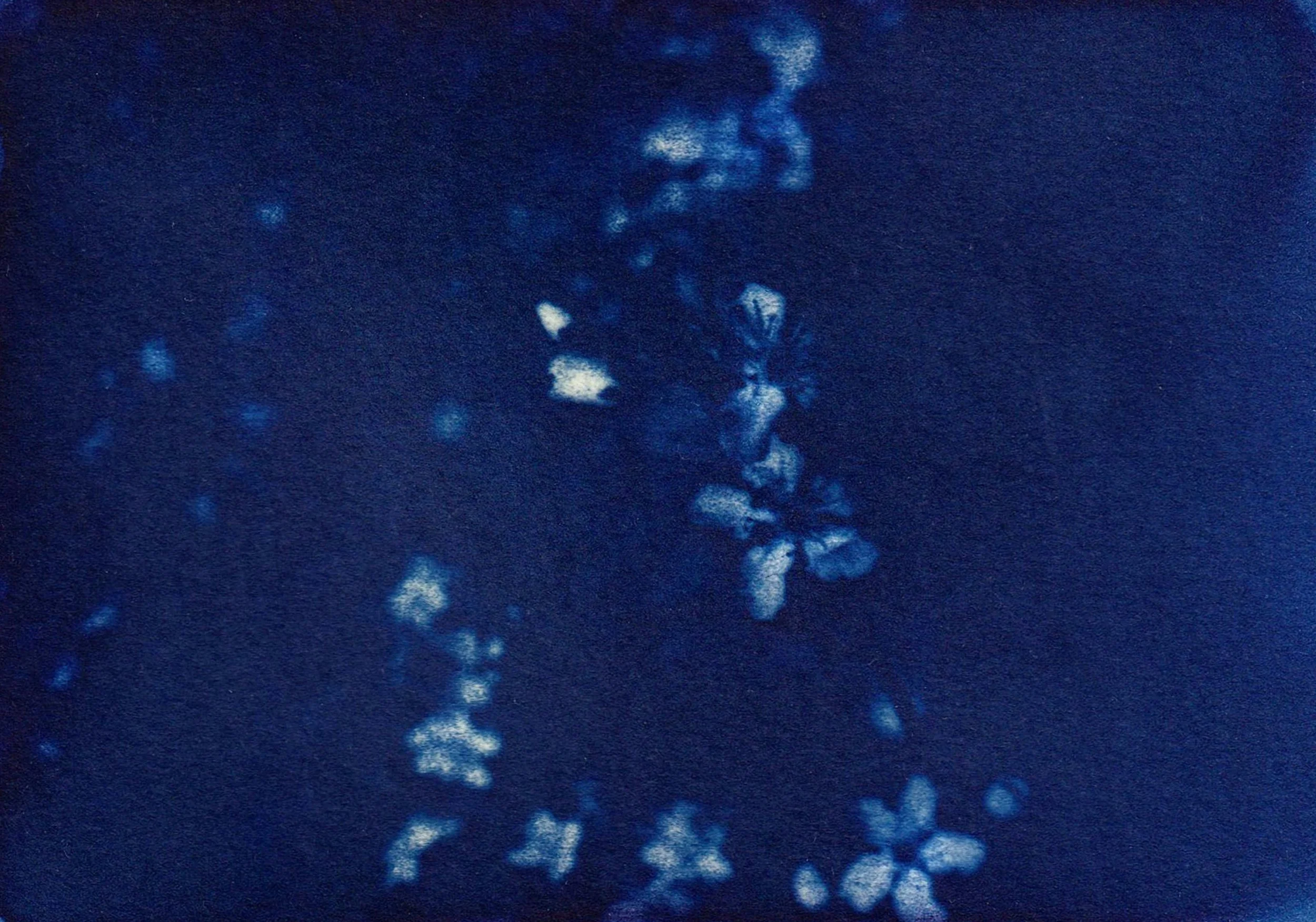
For Aster Lit Issue 16: Palimpsest, we’re interested in the study of our personal and global histories, the leftover trails snaking through our shared experiences. Whether interpreting palimpsest as the wrinkles on a swimmer’s fingers, the fossils of ancient dinosaurs, the domestication of pigeons, or the act of rebuilding on what was previously abandoned, we’re looking for art and writing that echoes, that unsettles the dust of time, that finds the intersection between our pasts, presents, and futures. Keep reading to see ideas and quotes related to palimpsest!
palimpsest
noun
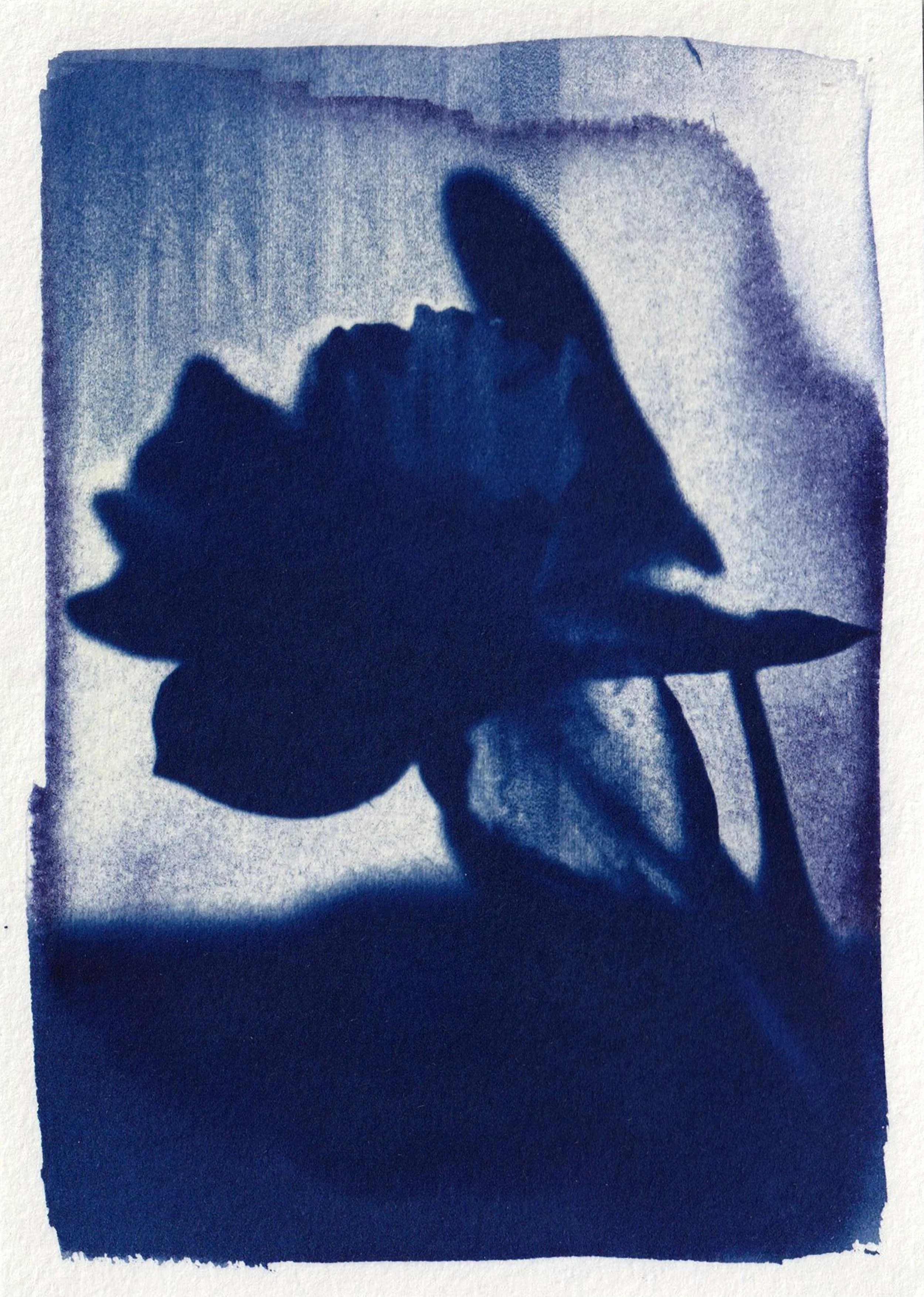
1) writing material (such as a parchment or tablet) used one or more times after earlier writing has been erased.
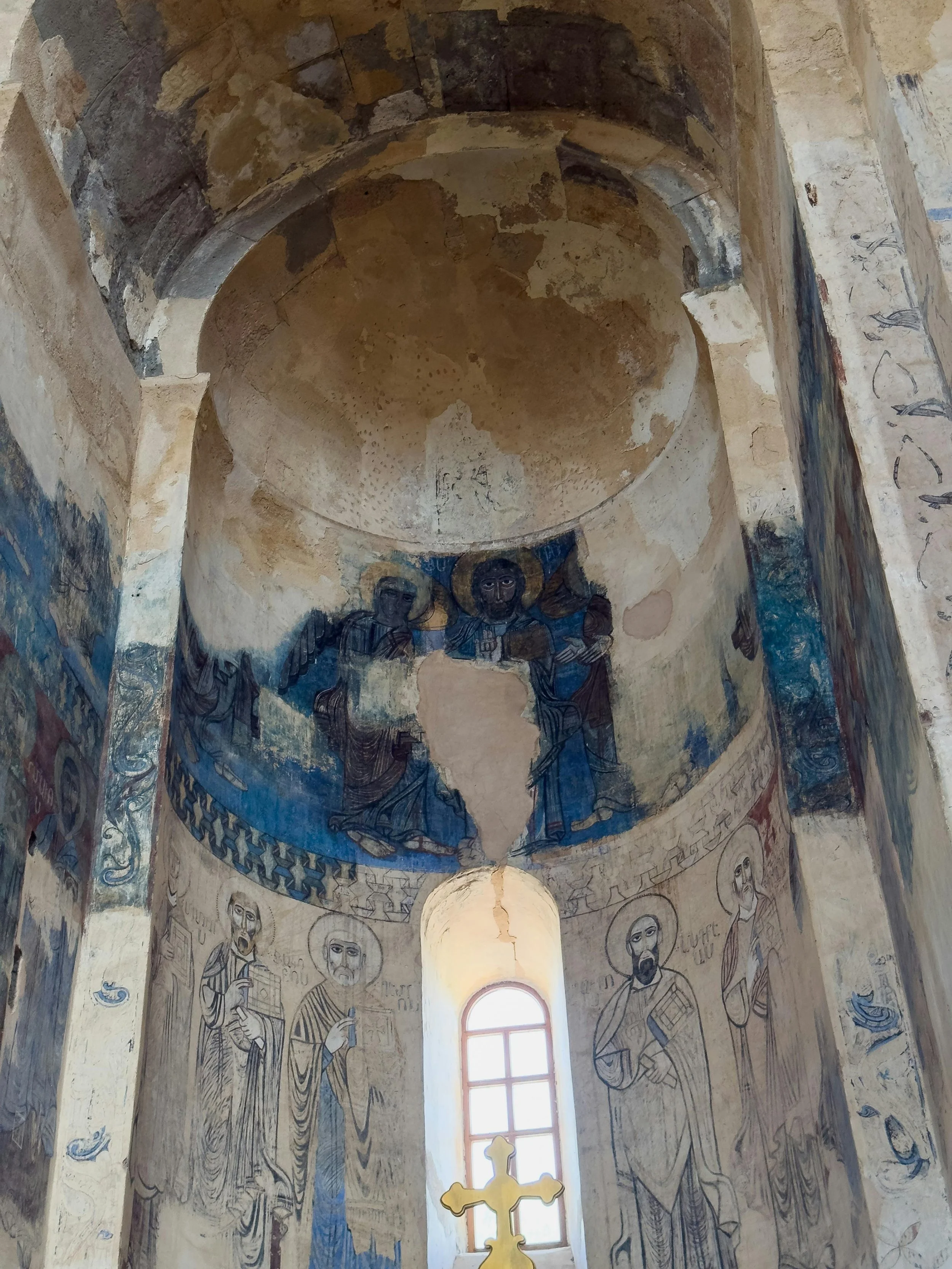
2) something having usually diverse layers or aspects apparent beneath the surface.
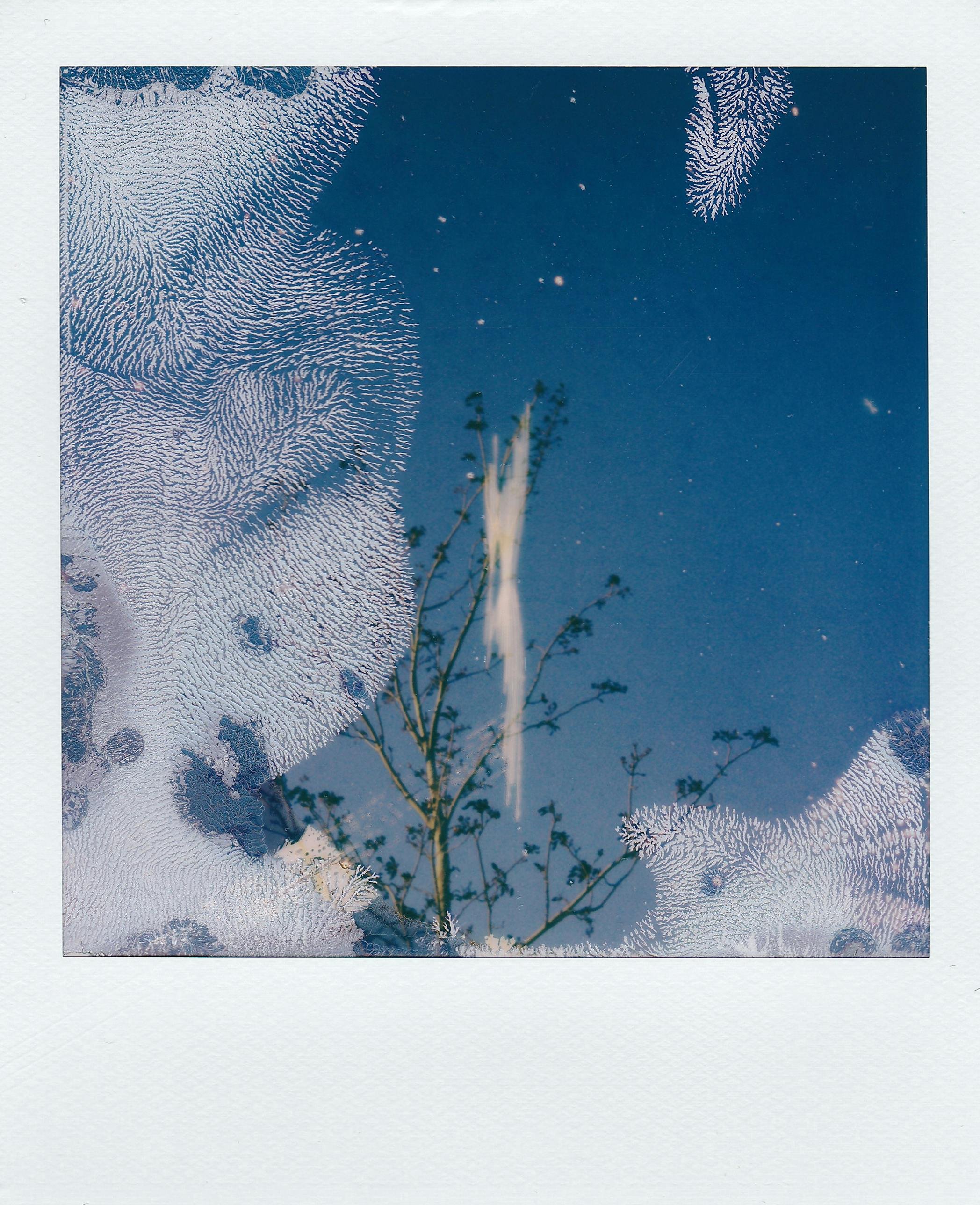
Theseus's Paradox
As a ship grows old, all of its worn parts are eventually replaced. Is the ship still the same ship? And, if the worn parts were used to reassemble another ship, which one would be the Ship of Theseus?
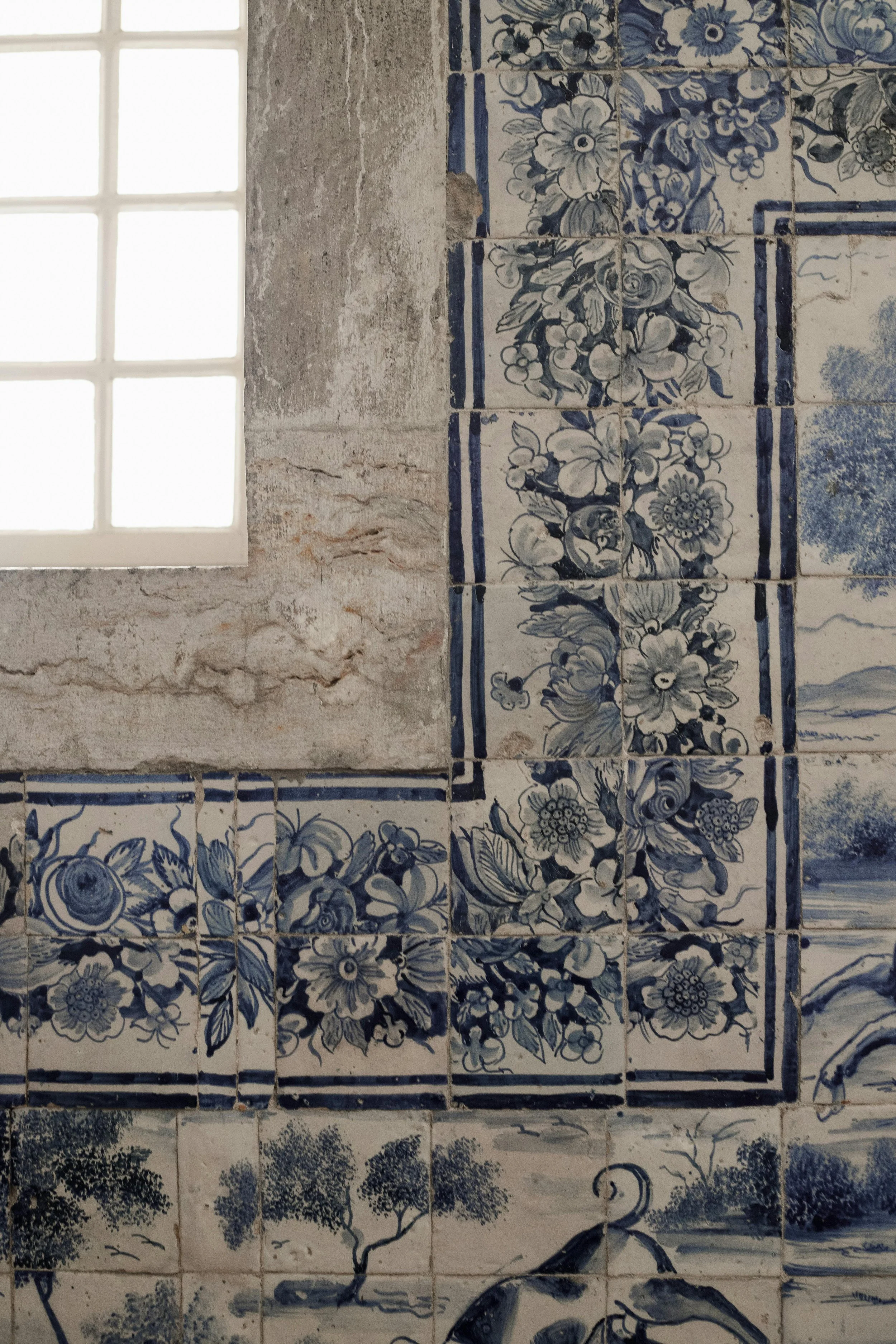
documentary poetry
Beginning in the early 20th century, poets incorporated archived works into their writing like newspaper clippings, eyewitness testimony, and political pamphlets to comment on modern and historical events.
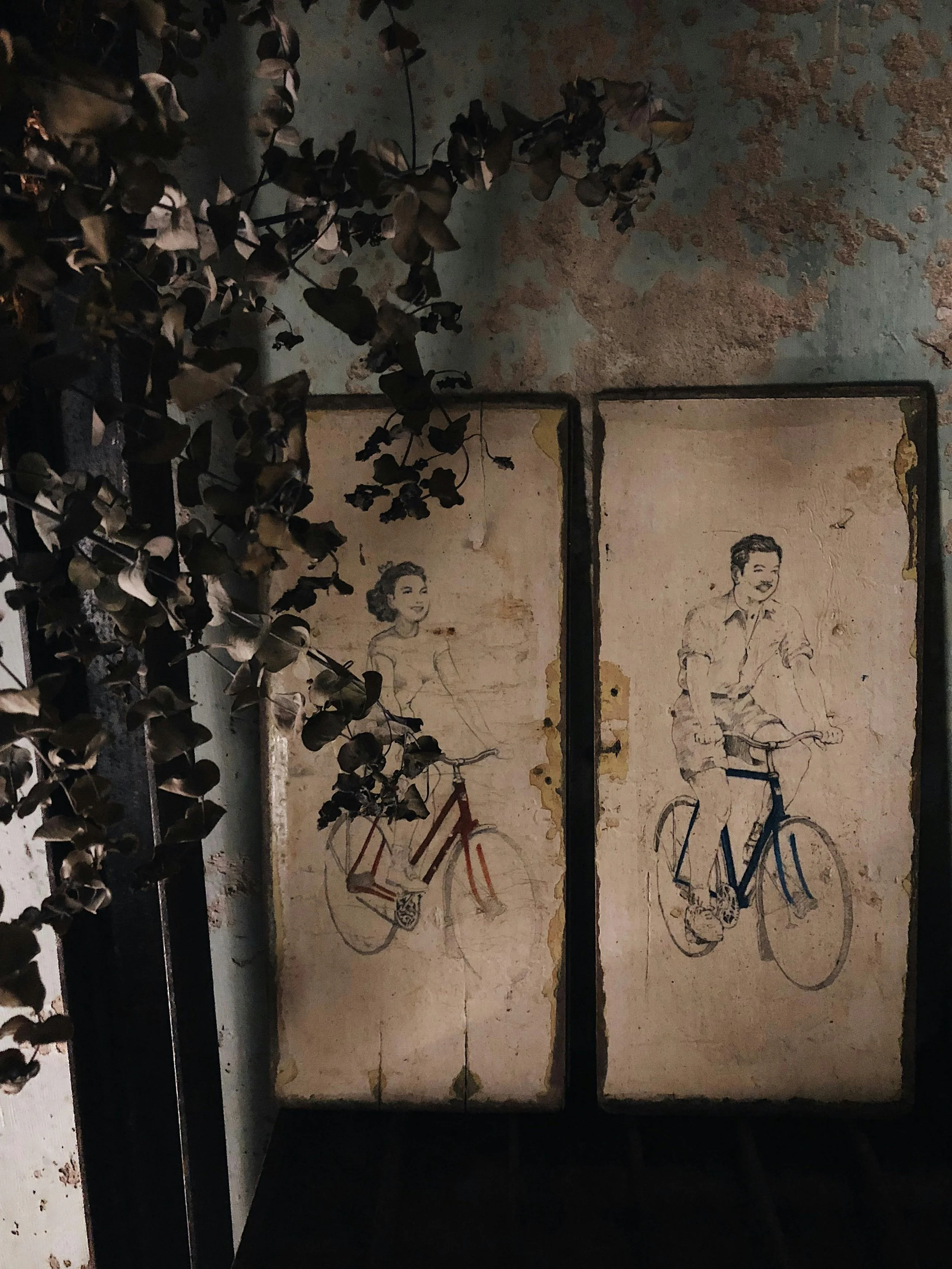
Vincent van Gogh
The famous painter was known to repaint over existing pieces of work. Scientists later discovered several hidden portraits beneath his paintings, like Patch of grass and Head of a Peasant Woman, through X-ray technology.
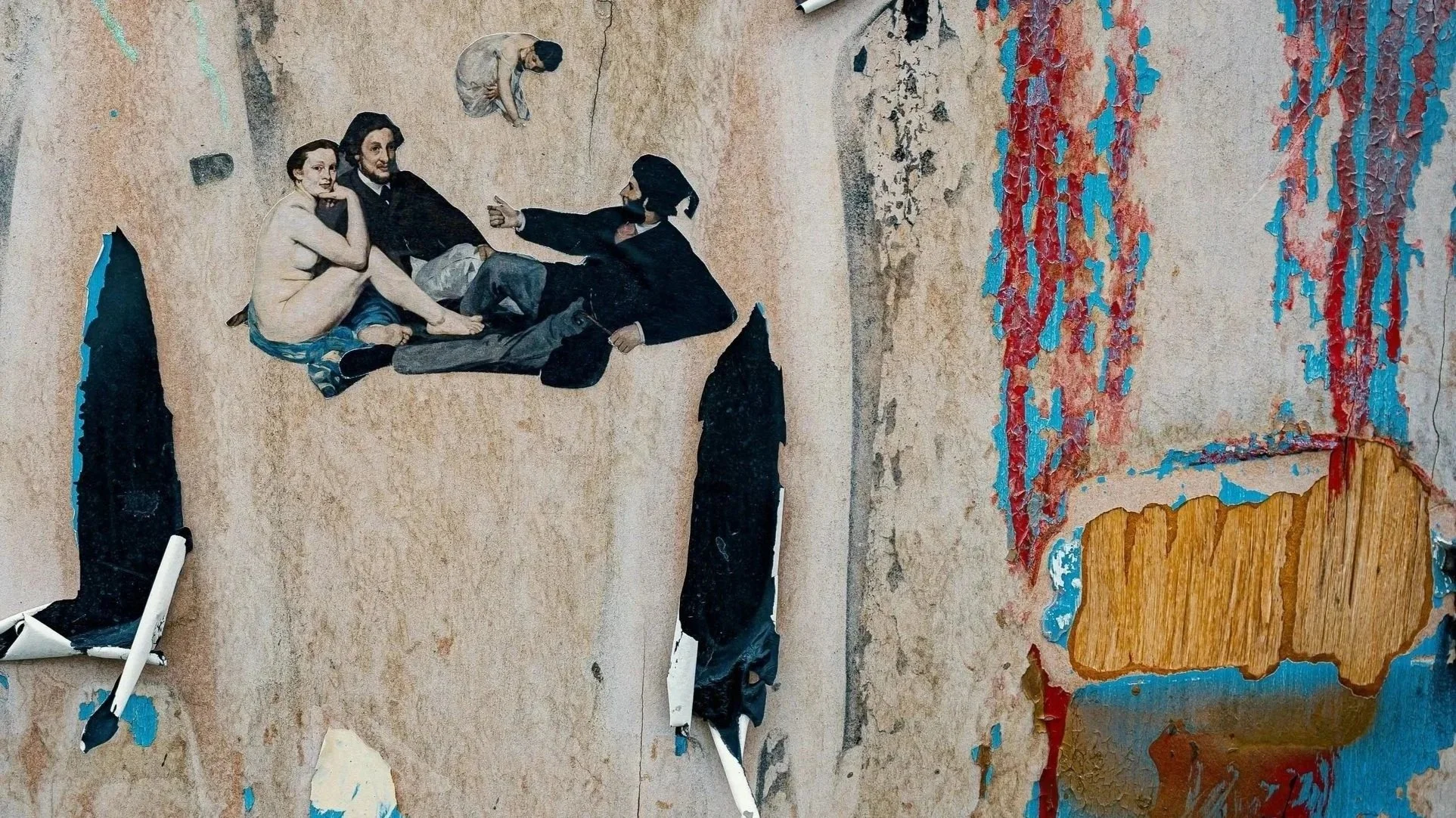
read the editors’ reflections
What does palimpsest mean to the Aster Lit team? Read our editors’ reflections on the theme here.
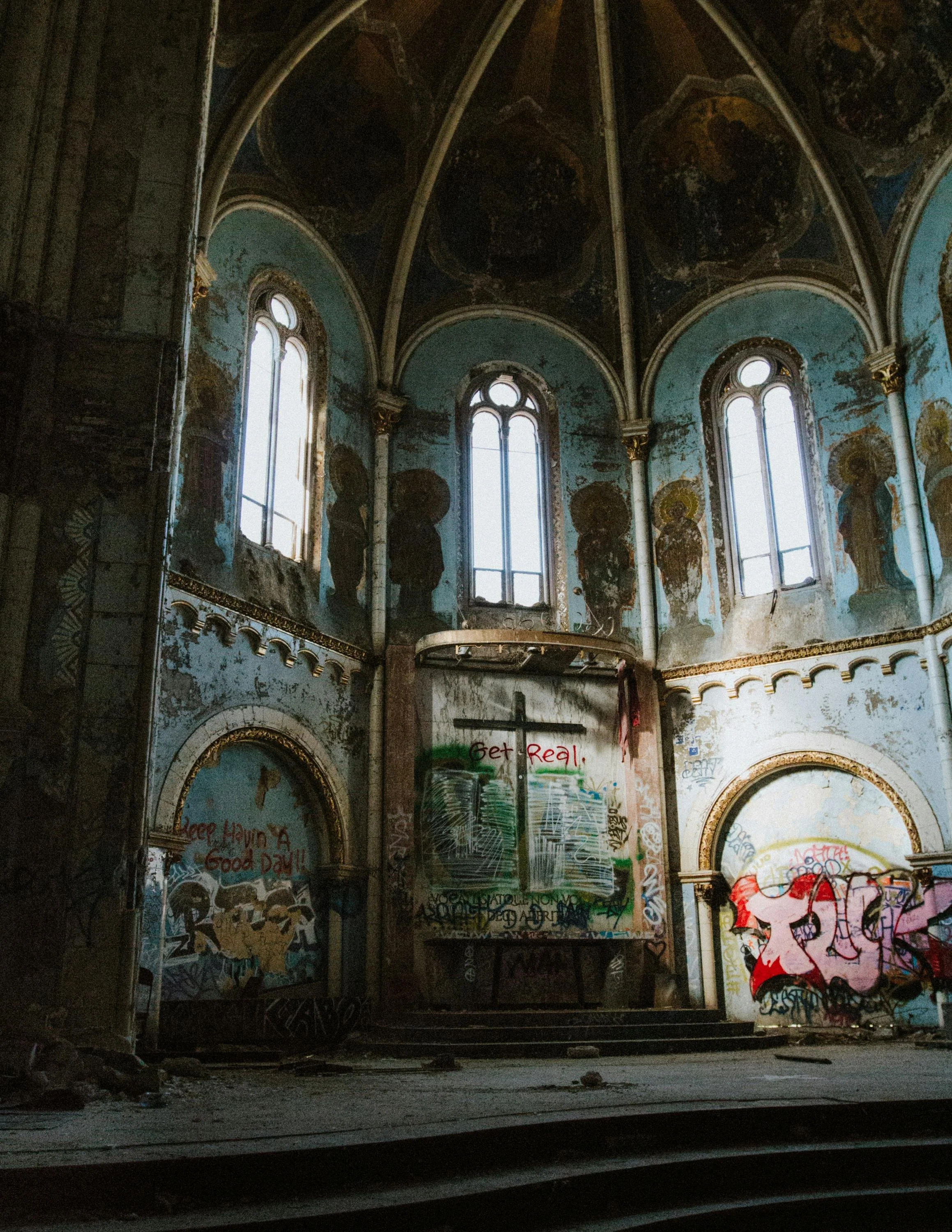
submit
Submit to Issue 16 here.
Follow us @aster.lit on Instagram for updates on other opportunities to stay involved in our community!
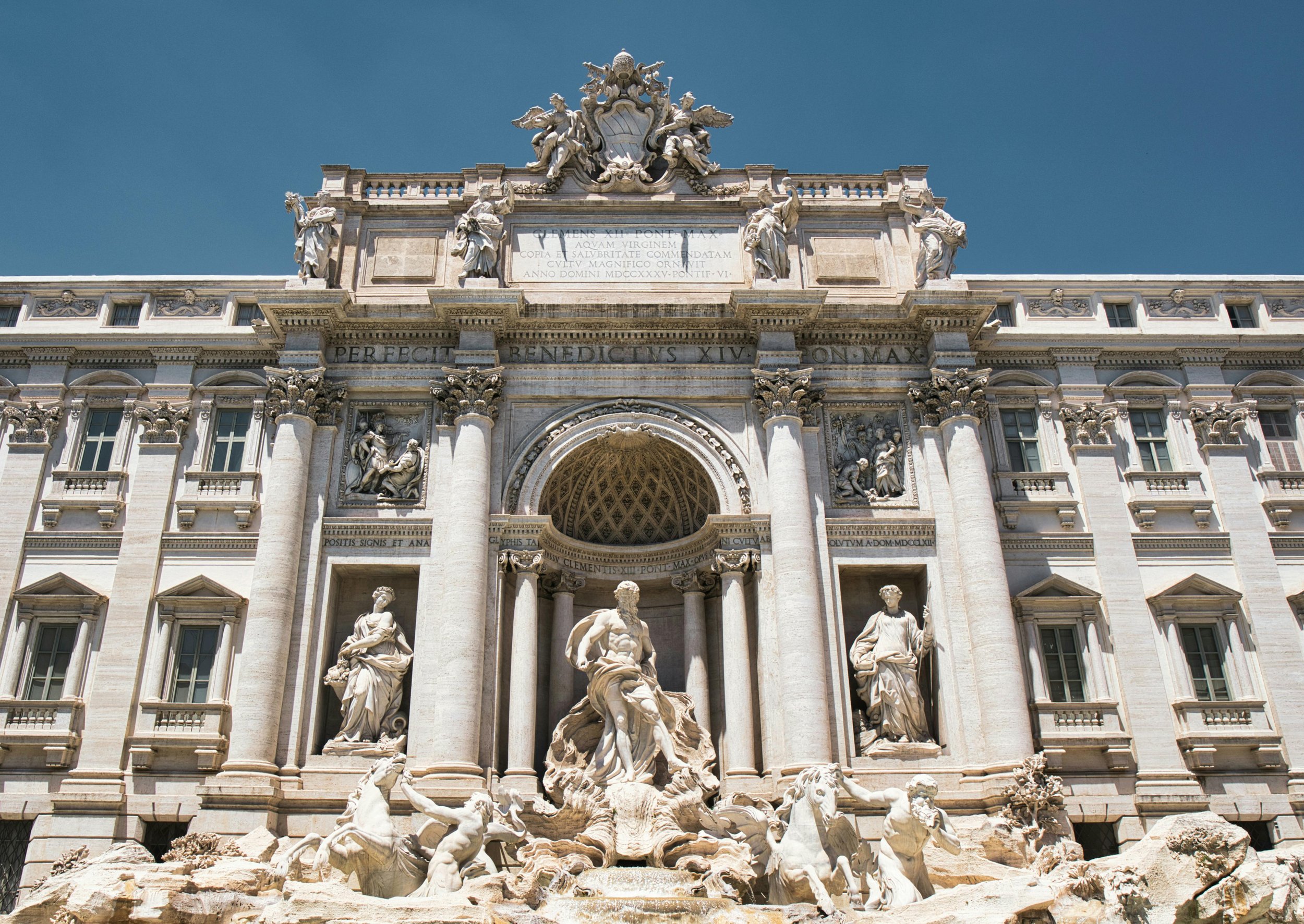
Rome
The city is built on over 3,000 years of history, creating a layered "city beneath a city" phenomenon. Ancient ruins lie below modern streets as the city stacks itself above crumbling churches and workshops.
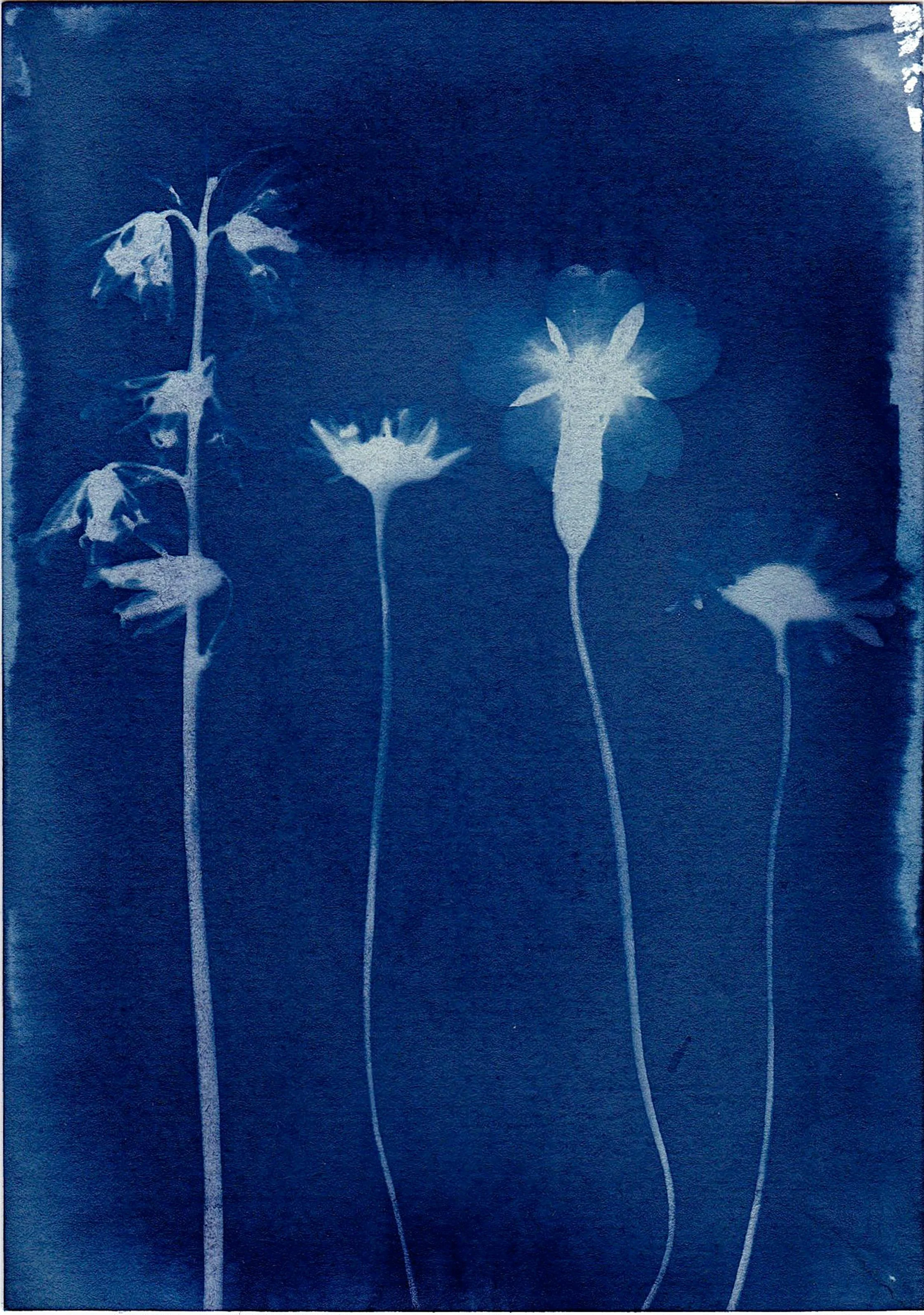
Mary Oliver
”In March the earth remembers its own name. Everywhere the plates of snow are cracking: The rivers begin to sing.”
Toni Morrison
“All water has a perfect memory and is forever trying to get back to where it was.”
Susanna Clarke
“They were all enamoured with the idea of progress and believed that whatever was new must be superior to what was old. As if merit was a function of chronology! But it seemed to me that the wisdom of the ancients could not have simply vanished. Nothing simply vanishes. It’s not actually possible.”
Susanna Clarke
“Some memories never heal. Rather than fading with the passage of time, those memories become the only things that are left behind when all else is abraded. The world darkens, like electric bulbs going out one by one. I am aware that I am not a safe person.”
Emily Jane Brontë
“If all else perished, and he remained, I should still continue to be; and if all else remained, and he were annihilated, the universe would turn to a mighty stranger.”
F. Scott Fitzgerald
“So we beat on, boats against the current, borne back ceaselessly into the past.”
Italo Calvino
“The city does not tell its past, but contains it like the lines of a hand, written in the corners of the streets, the gratings of the windows, the banisters of the steps, the antennae of the lightning rods, the poles of the bags, every segment marked in turn with scratches, indentations, scrolls.
George Orwell
“Who controls the past controls the future. Who controls the present controls the past [...] All history was a palimpsest, scraped clean and reinscribed exactly as often as was necessary.”
Jorge Luis Borges
“We walk the corridors, searching the shelves and rearranging them, looking for lines of meaning amid leagues of cacophony and incoherence, reading the history of the past and our future, collecting our thoughts and collecting the thoughts of others, and every so often glimpsing mirrors, in which we may recognize creatures of the information.”