ekphrasis
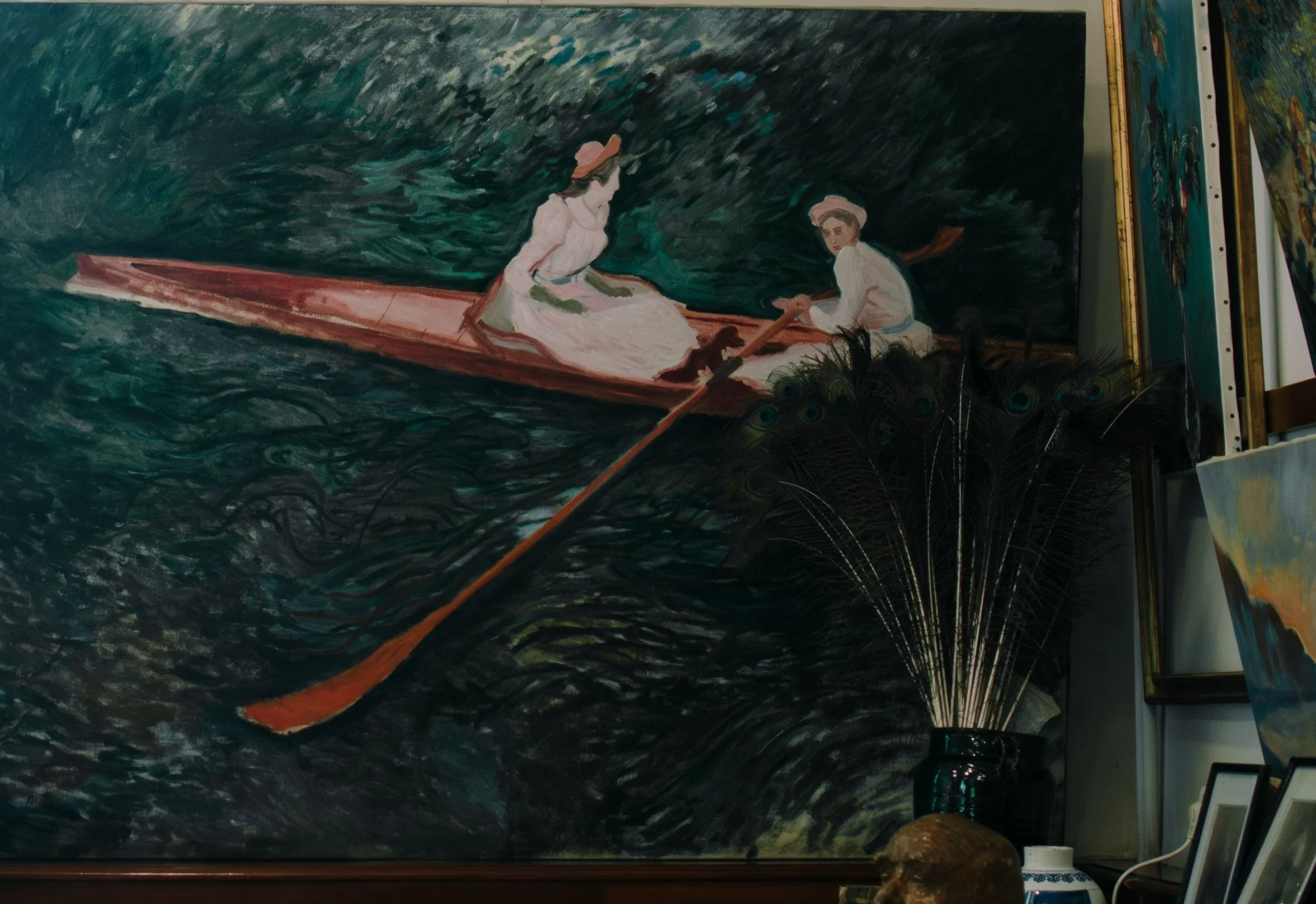
For Aster Lit Issue 17: Ekphrasis, we’re interested in the observations and reflections that accompany the act of creation. Whether interpreting ekphrasis as the stilling of the feet before a particularly striking painting, the thread of a saxophone playing in the alley of a city, or the continuous ebb and flow of the artistic workflow, we’re looking for art and writing that is unapologetically honest, that illuminates the impulses behind putting pen to paper, that incorporates the process into the product. Keep reading to see ideas and quotes related to ekphrasis!
ekphrasis
noun
the use of vivid language to form a literary description, commentary, or response to a work of visual art
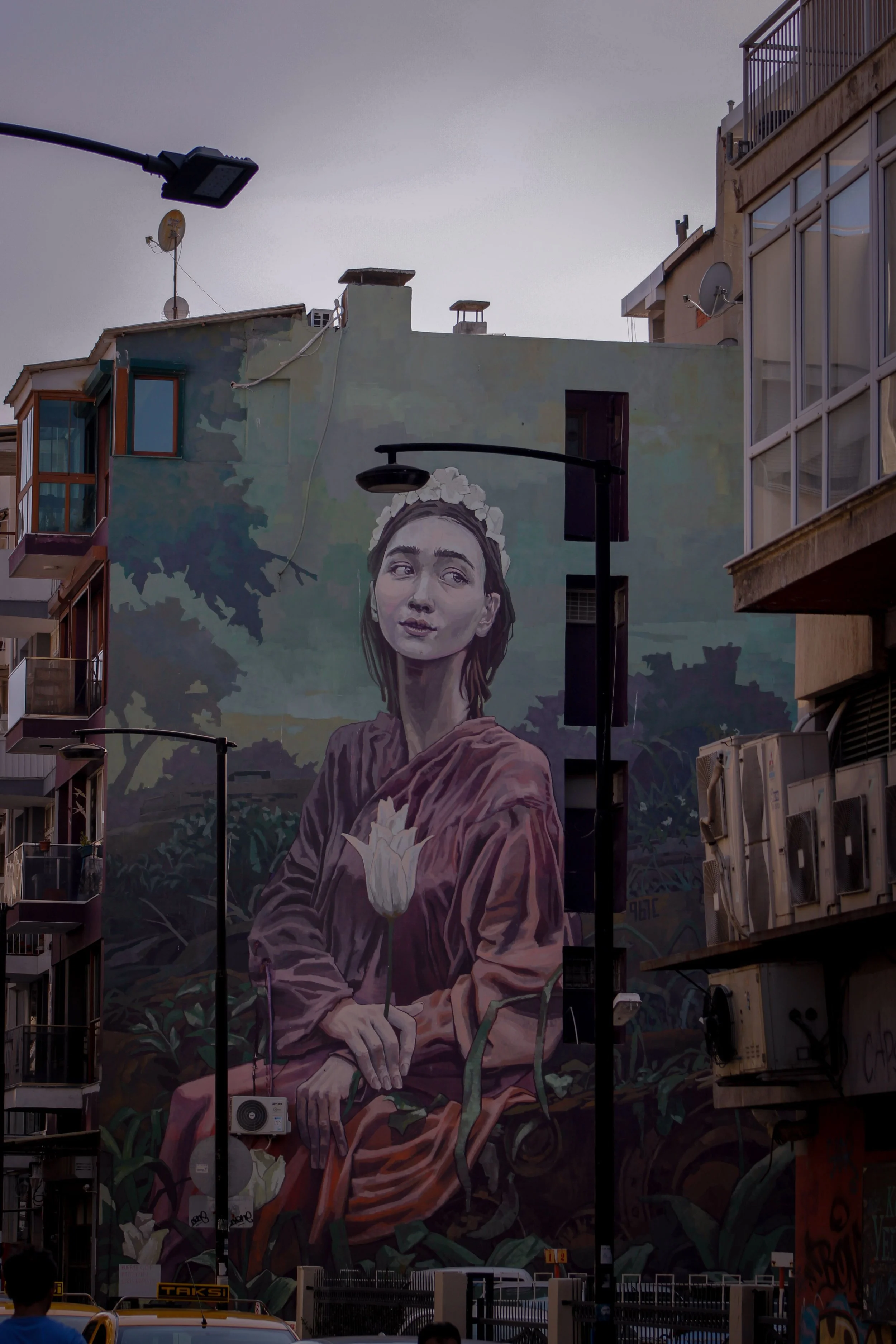
graffiti
Street art tells the story of a community or an individual, often indicative of strong cultural connections and open to interpretation (such as Banksy’s political graffiti).
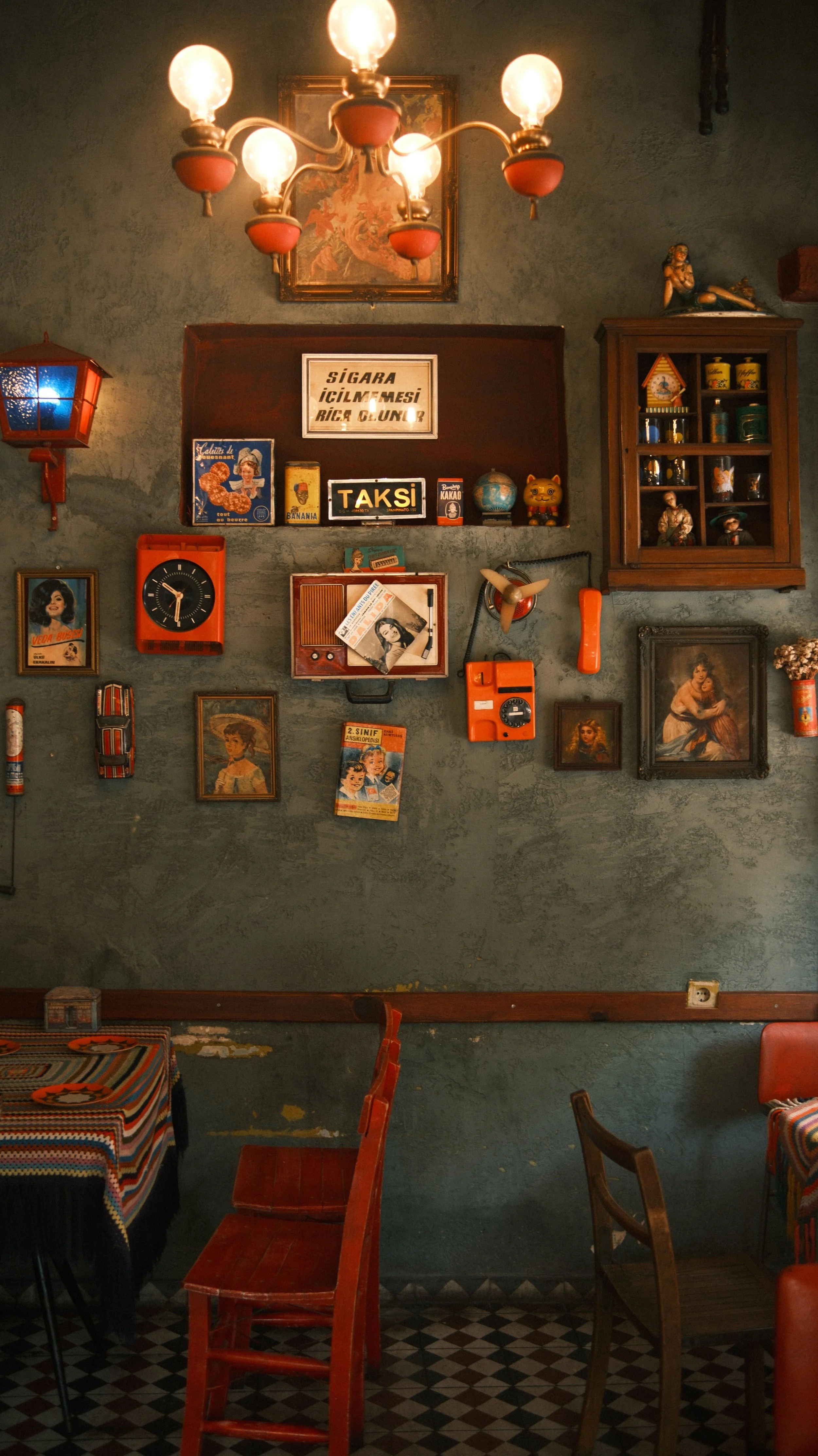
ideograms
Ideograms are symbols used within a given writing system to represent an idea or a concept, as opposed to a phonetic sound. It takes translation of a visual aspect into a linguistic form.
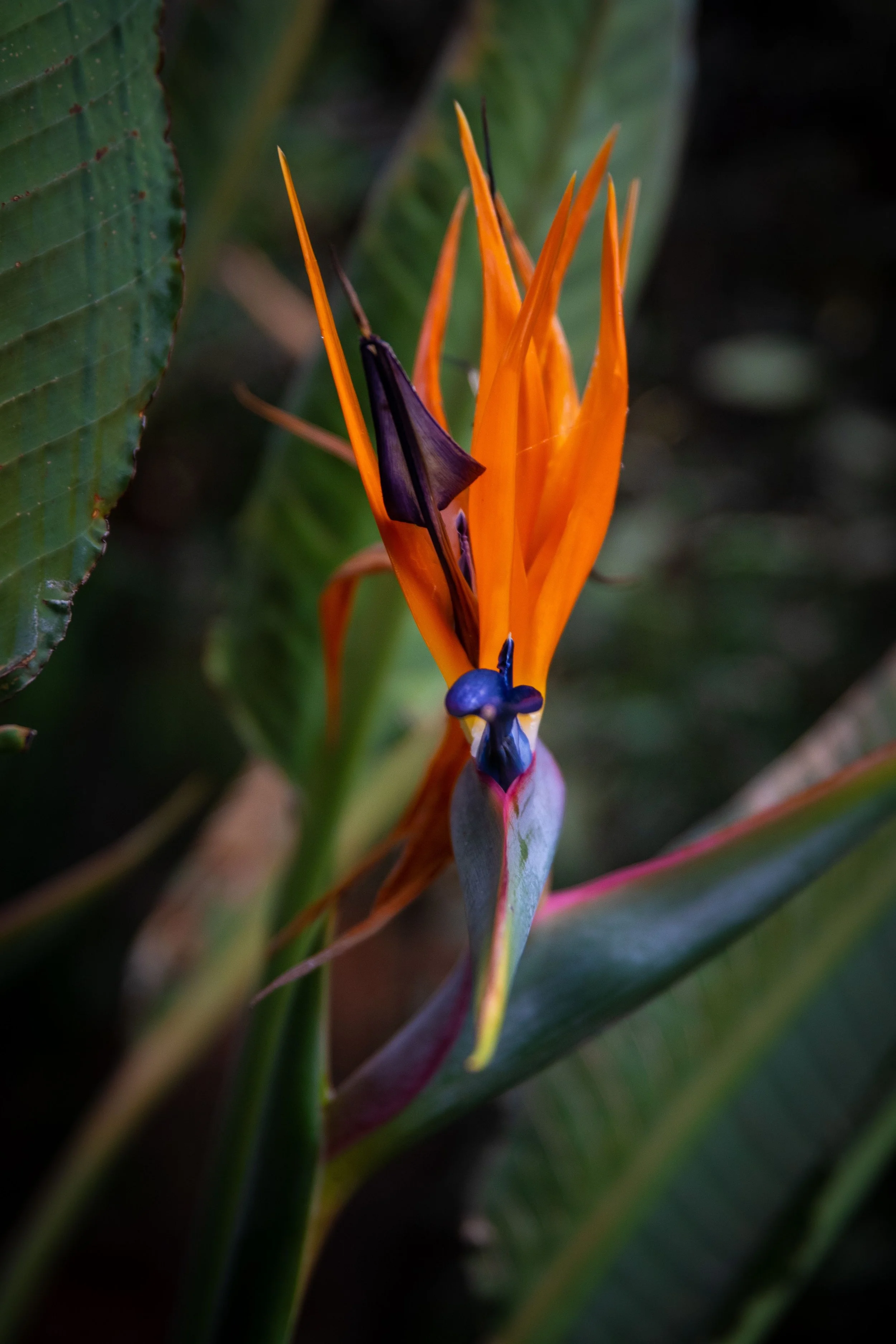
birds of paradise
Native to South Africa, this plant has a similar likeness to birds-of-paradise, with its bright colors and unique patterns.
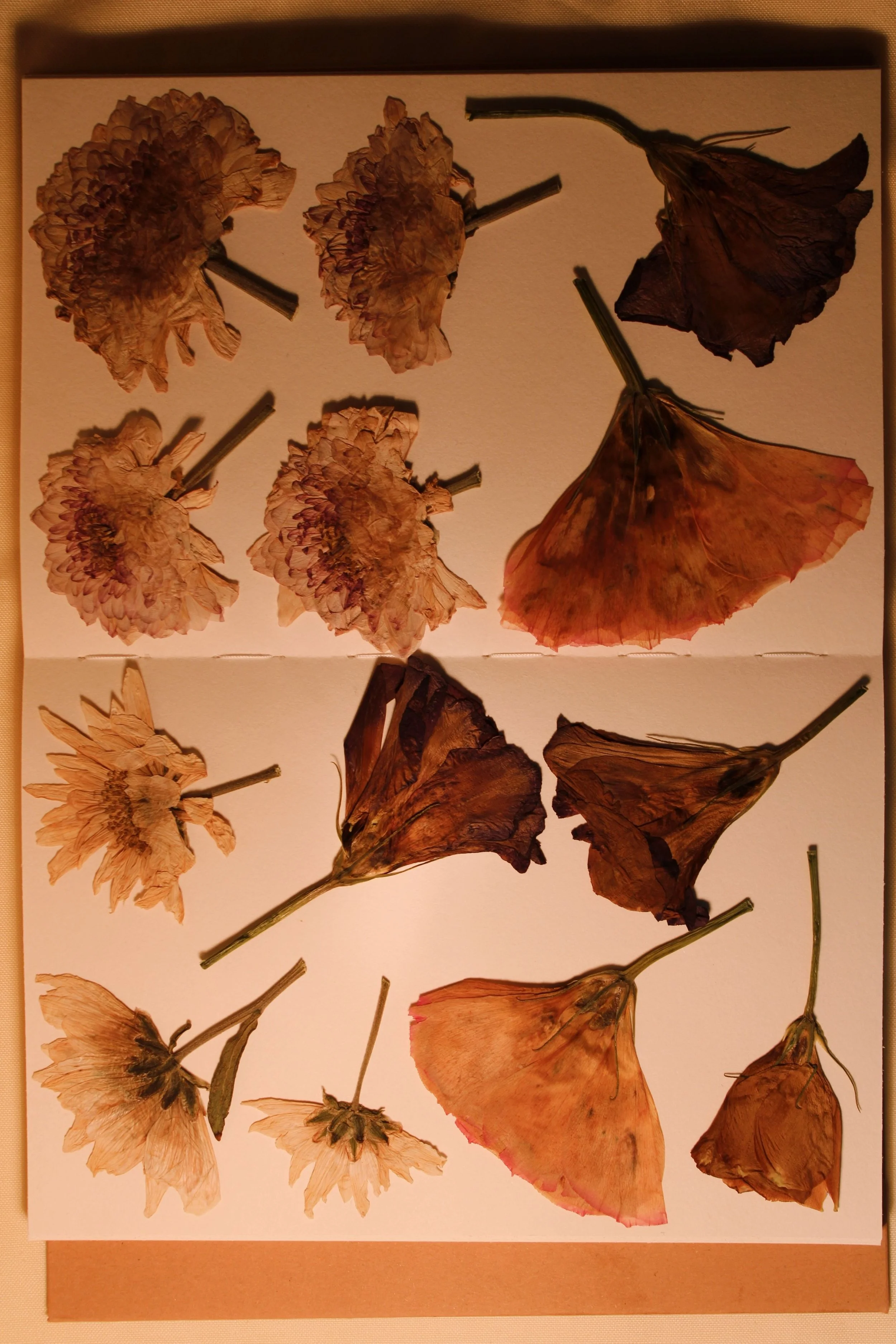
oshibana
A Japanese art form, it consists of using pressed flowers to create a picture entirely from natural elements, taking existing materials to craft an entirely new story.
mythology
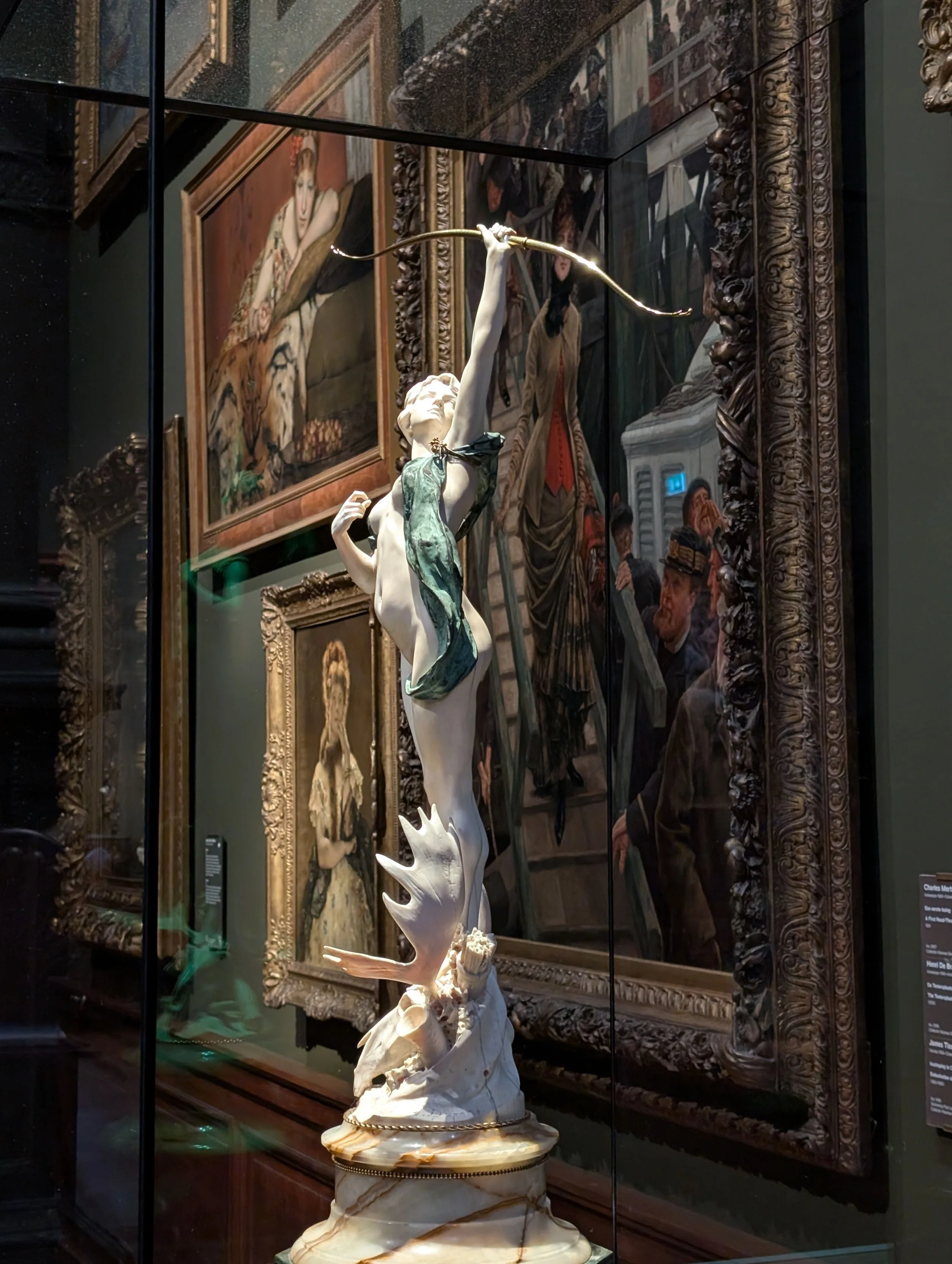
Mythological stories often become inspiration for visual forms of art, which then inspire new stories and artwork. Folklore is essentially a cycle of creation.
read the editors’ reflections
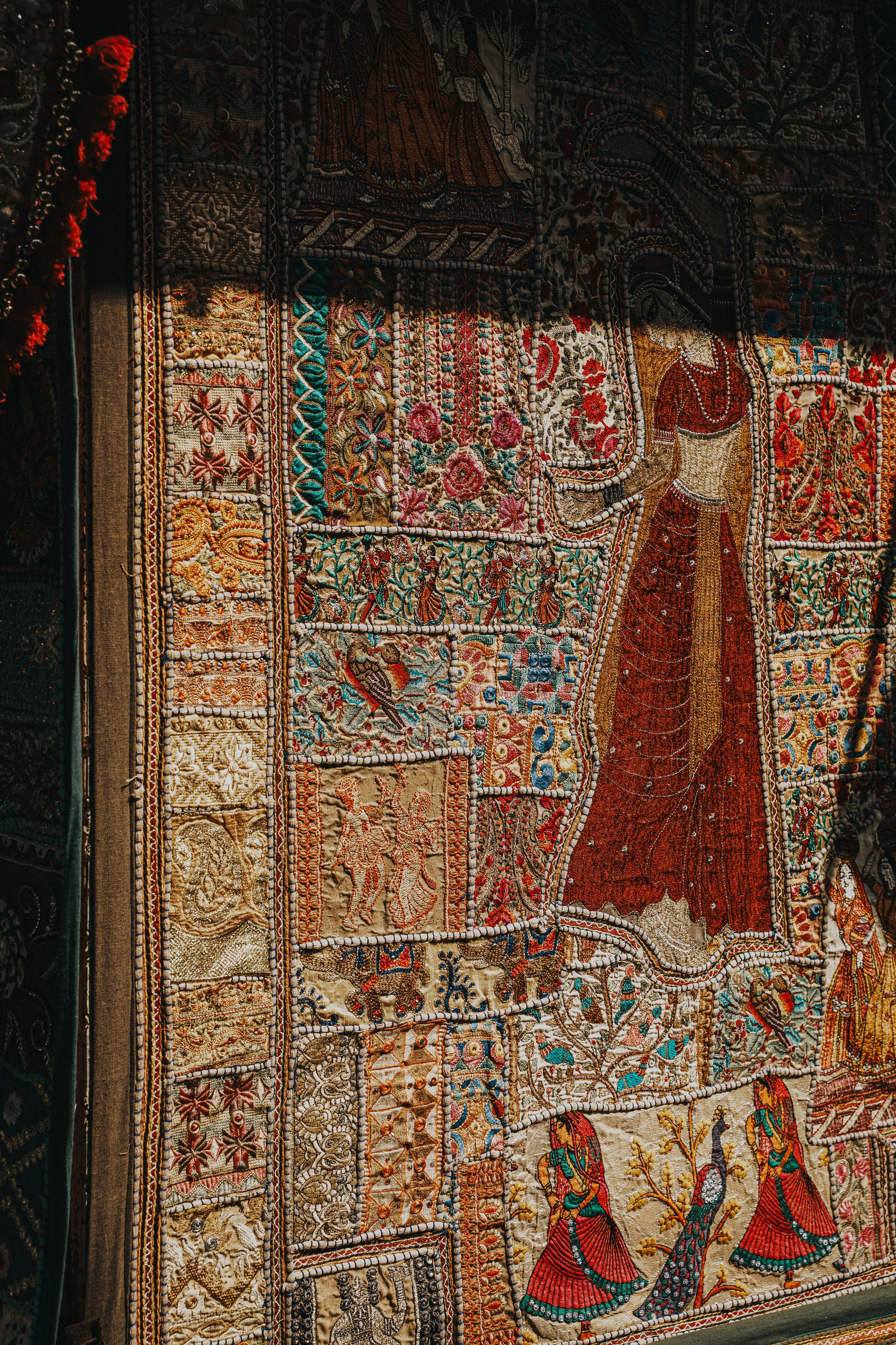
What does ekphrasis mean to the Aster Lit team? Read our editors’ reflections on the theme here.
submit
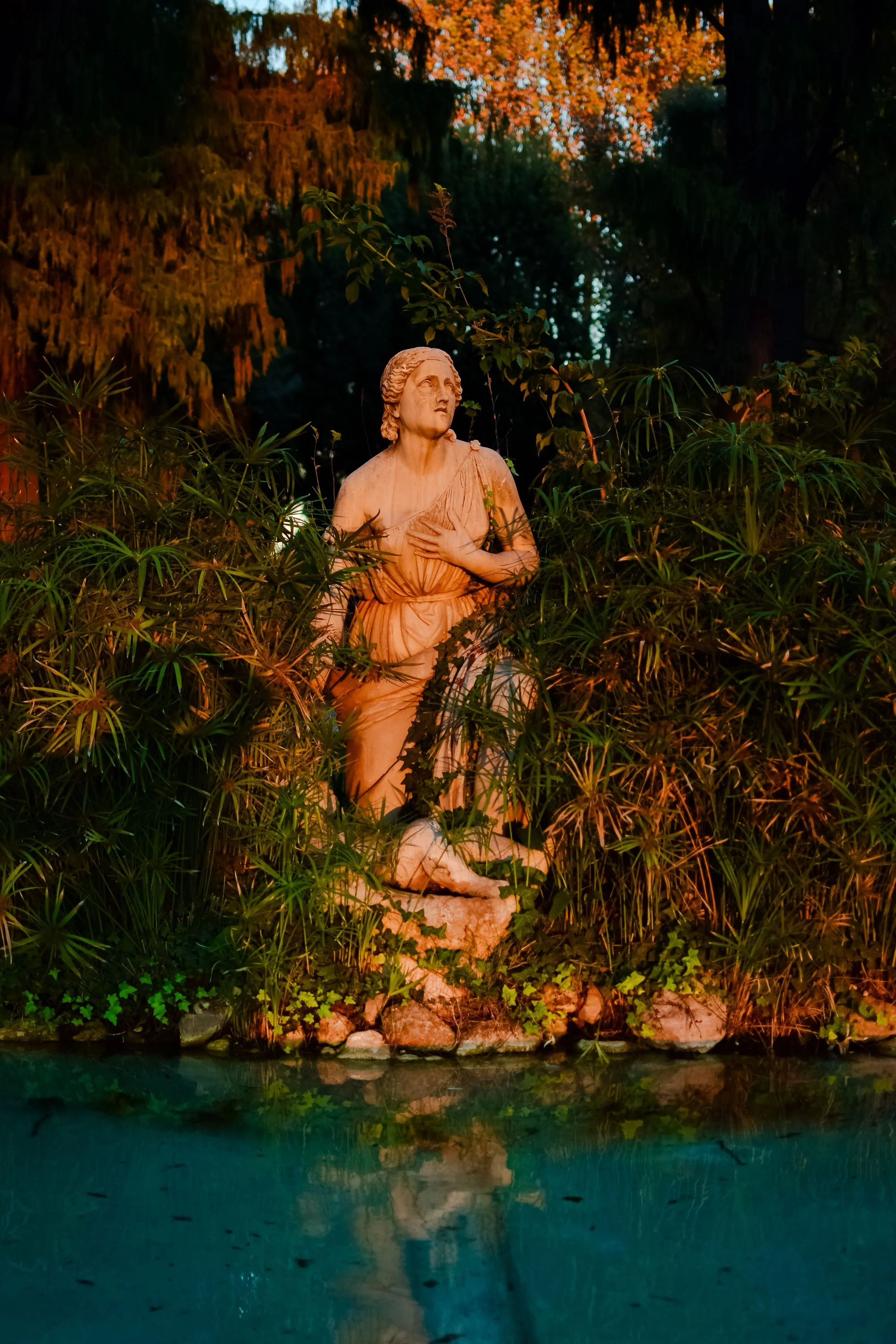
Submit to Issue 17 here.
Follow us @aster.lit on Instagram for updates on other opportunities to stay involved in our community!
fauvism
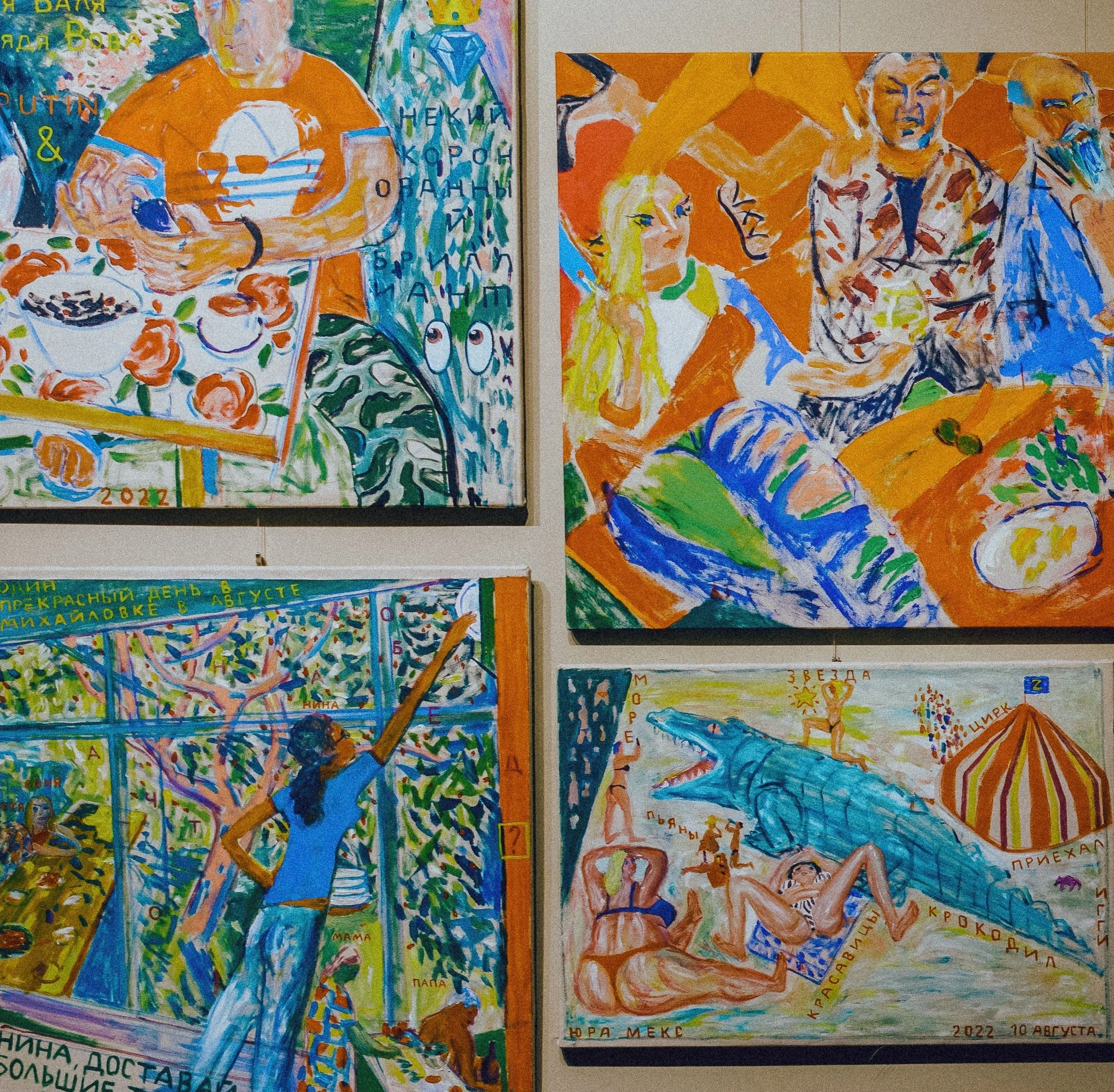
An early 20th century movement in France, it emphasized bold, unusual tones over culturally dominant realism and impressionism.
William Blake
“If the doors of perception were cleansed every thing would appear to man as it is, Infinite.”
Mary Oliver
“Poetry is one of the ancient arts, and it begins as did all the fine arts, within the original wilderness of the earth.”
Oscar Wilde
“Nothing can cure the soul but the senses, just as nothing can cure the senses but the soul.”
Susanna Clarke
“All art is at once surface and symbol. Those who go beneath the surface do so at their peril. Those who read the symbol do so at their peril. It is the spectator, and not life, that art really mirrors. Diversity of opinion about a work of art shows that the work is new, complex and vital.”
Anne Sexton
“The town does not exist except where one black-haired tree slips up like a drowned woman into the hot sky. The town is silent. The night boils with eleven stars. Oh starry starry night! This is how I want to die.”
Vincent van Gogh
”I have nature and art and poetry, and if that is not enough, what is enough?”
Simonides of Ceos
“Painting is mute poetry, and poetry is speaking painting.”
Donna Tart
“I had the epiphany that laughter was light, and light was laughter, and that this was the secret of the universe.”
Louis Untermeyer
“Their poems aspired to be paintings, their paintings poems.”
Austin Siegemund-Broka
“Fiction comes from truth. It is a wonderful, imaginative, flourishing thing grown from a seed of real feelings, real desires, real fears. No artist ever creates from nothing. We work from what we've experienced, inspired by the unique piece of the world we see. It's why art cannot be replicated.”
Don Paterson
“A poetic form is essentially a codified pattern of silence. We have a little silence at the end of a line, a bigger one at the end of a stanza, and a huge one at the end of the poem. The semantic weight of the poem tends to naturally distribute itself according to that pattern of silence, paying special care to the sounds and meaning of the words and phrases that resonate into the little empty acoustic of the line-ending, or the connecting hallway of stanza-break, or the big church is the poem’s end.”